

Managing a few attributes requires a broader perception than overseeing individual assets. As portfolios increase, homeowners require a distinct construction for assessing performance, improving operations, and planning potential opportunities. A well-designed real estate portfolio management can bring these things together and develop a more prepared path toward long-term growth. Innago helps modern house management with engineering that will help homeowners simplify operations and keep better awareness across their hire activities.
Why does a growing portfolio need a defined strategy?
A portfolio may ver quickly become complex when multiple houses, people, expenses, and working responsibilities are involved. Without a constant approach, useful data may become difficult to compare across assets.
A defined strategy produces a typical direction. It can help homeowners identify priorities, evaluate benefits, and hold personal property conclusions connected to broader portfolio objectives.
How can owners evaluate portfolio performance more effectively?
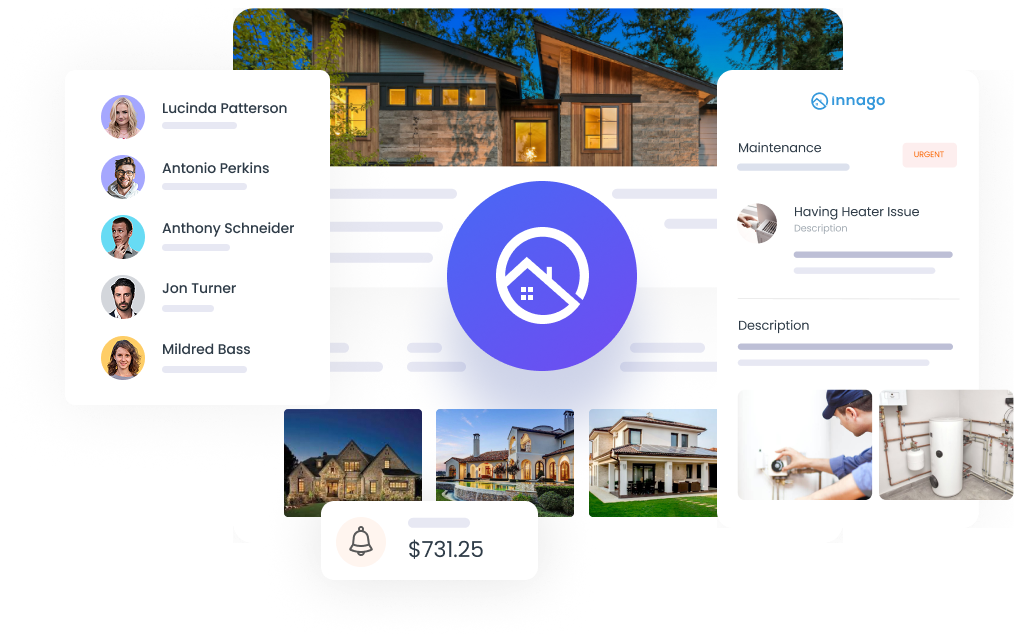
Performance becomes easier to understand when owners evaluation attributes applying consistent criteria. Hire activity, occupancy, running efficiency, maintenance needs, and resident knowledge can all provide useful insights.
The target is to recognize styles rather than focus on remote figures. Researching properties over time can show strengths and possibilities, helping owners produce more educated conclusions about where to spend interest and resources.
What role does technology play in strategic portfolio management?
Technology provides the infrastructure required to organize an increasing portfolio. Electronic management methods brings crucial detailed activities in to a more available setting and minimize dependence on spread information processes.
For owners, improved awareness may make it simpler to know what is happening across their properties. Innago presents engineering designed to support home management workflows, supporting homeowners develop more organized techniques as their portfolios develop.
Why should portfolio owners focus on standardization?
Standardization can produce reliability across properties. When similar responsibilities are handled through repeatable functions, owners and their groups can invest less time creating split approaches for each and every asset.
Regular workflows can be useful for rental administration, resident communication, maintenance coordination, and other repeating responsibilities. That framework becomes particularly useful once the portfolio remains to expand.
How does strategic planning support portfolio growth?
Growth is most effective when growth is reinforced by strong detailed foundations. Before putting more houses, owners may assess whether current methods can handle handling additional responsibilities.
A scalable strategy enables owners to build on established functions as opposed to regularly beginning over. This will make future growth more feasible while maintaining a regular amount of service over the portfolio.
Why is resident experience part of a portfolio strategy?
Solid property performance is reinforced by good resident relationships. Convenient procedures, open interaction, and well-managed homes may contribute to resident pleasure and long-term stability.
Portfolio strategy thus stretches beyond financial and functional metrics. Producing a steady resident experience across homes may enhance the entire quality of a hire portfolio.
How can owners use technology to prepare for future growth?
Future-ready management depends upon programs that could conform as responsibilities increase. Digital tools will help owners manage house data, streamline continuing actions, and establish workflows that stay useful as portfolios become larger.
Innago can help that move by giving house management engineering developed about modern hire operations. A scalable electronic foundation can help owners emphasis more confidently on proper preparing and portfolio development.
What makes a portfolio strategy sustainable?
Sustainability comes from managing quick efficiency with long-term objectives. Homeowners may give attention to sustaining homes, supporting residents, increasing effectiveness, and identifying possibilities without dropping sight of the broader portfolio.
Regular reviews can help make certain that methods remain arranged with adjusting goals. An innovative approach enables homeowners to understand development while distinguishing areas wherever new initiatives can make additional value.
Why are data-informed decisions becoming more important?
Contemporary home homeowners have entry to more detailed data than ever before. Applying relevant data will help transform schedule home information into useful organization insights.
When owners review tendencies constantly, they can produce choices centered on a broader knowledge of portfolio activity. This may help better prioritization and encourage a more positive management style.
Conclusion
A strong real estate portfolio management strategy provides structure, scalability, engineering, and long-term preparing together. By analyzing properties regularly, standardizing procedures, supporting people, and developing versatile programs, owners can produce a stronger foundation for portfolio growth. With Innago helping update house management workflows, homeowners may strategy expanding portfolios with larger company and a clear concentrate on sustainable performance.